
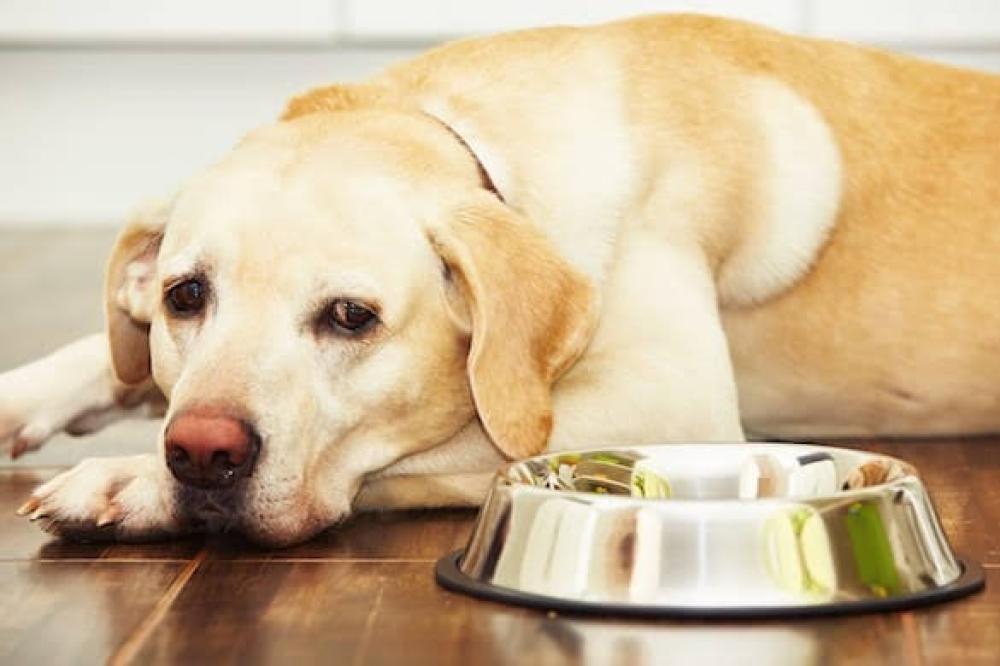
Loss of appetite in puppies
A good appetite for food is an important indicator of the health of puppies. But when dogs begin to refuse food or reduce the amount of food they eat, they may have a problem with loss of appetite. Symptoms of loss of appetite should be monitored and dealt with quickly to keep your dog healthy and prevent other health problems.
Symptoms of loss of appetite in puppies:
You may notice a decrease in the amount of food your dog eats, complete refusal to eat, lack of interest in food, and difficulty eating treats or food. Additionally, your dog may lose weight, vomit frequently, and appear weak and lethargic.
These symptoms can be clear signs of loss of appetite in puppies. Dog owners should monitor and document these symptoms to ensure that the problem is diagnosed and that appropriate action is taken. It is important that loss of appetite in puppies is treated quickly and effectively in order to maintain the dog's health and ensure that it regains its normal nutritional function.
Some common symptoms that can be noticed:
- Loss of appetite: You notice that the dog is not interested in food and completely ignores it.
- Unresponsiveness to food: The dog refuses to eat the food offered to him and does not express any desire to feed.
- Severe weight loss: It becomes clear that the dog has lost weight significantly and abnormally.
- Feeling weak and lethargic: The dog suffers from low energy levels and appears weak and inactive.
- Repeated vomiting: The dog suffers from repeated vomiting due to lack of appetite and not eating regularly.
Causes of loss of appetite in young dogs:
- Esophagitis
- Hepatitis
- Pancreatitis
- Blood diseases
- Uriaemia
- Medication effects
- Change of environment or location
- Behavior problems
If a young dog suffers from loss of appetite, a veterinarian should be consulted to determine the exact diagnosis and treat the underlying cause of the problem. The necessary care and attention should be given to the dog's nutrition and a comfortable environment should be provided to encourage it to regain its appetite and return to eating normally.
Possible tests to diagnose anorexia in puppies:
- Complete blood count
- Clinical chemistry test
- Blood electrolyte and salt profile
- Urine test
- Fecal test
Once anorexia is diagnosed, your veterinarian can take steps to treat the condition. Treatment may include dietary changes, medication adjustments, and providing an environment that stimulates your dog's appetite. Your veterinarian's instructions should be followed closely and regular monitoring should be continued for any improvement or change in your dog's health status.
Treating loss of appetite in small dogs:
- Change the type of food: The reason for loss of appetite may be that the dog does not like the current type of food. Try changing the type of food to see if he responds to another type that he likes more.
- Present food in an attractive way: Try presenting food in different forms and times to attract the dog's attention and stimulate his appetite. Small and frequent meals may be more attractive to him.
- Give nutritional supplements: Some nutritional supplements that enhance appetite for small dogs can be used, such as fish oil or an emulsion that contains beneficial vitamins and minerals.
- Maintain a quiet environment: The dog should be provided with a quiet and comfortable environment while eating. Noise and disturbance around him may be factors that reduce his appetite.
Remember that if the small dog's appetite does not improve after trying these home remedies, you should consult your veterinarian for additional guidance and treatment.
Tips to increase appetite for small dogs:
To increase appetite for small dogs, there are some simple tips that can help motivate them to eat better. Here are some effective methods that can be tried:
1. Providing nutritious and delicious foods:
It may be helpful to provide types of food that small dogs love and find delicious. You can try cooked meat or foods with a strong smell such as liver or healthy cooked fish. If the dog responds positively to these foods, it may lead to an increase in her appetite.
Hills Puppy Wet Food with Chicken 370g
Royal Canin Hypoallergenic Dry Dog Food 2kg
Beaphar Lactol Milk Replacer for Puppies 500g
Hills z/d Dry Dog Food for Allergy and Skin Support 1kg
2. Providing small and frequent meals:
Instead of providing large, equal meals throughout the day, you can try dividing your dog's meals into small, frequent meals. Her response to food may improve when she eats smaller portions regularly throughout the day. You can consult your veterinarian to determine the appropriate number and size of meals based on your dog's needs.
Royal Canin Mini Puppy Wet Food for Dogs 85g
Sheba Wet Food for Puppies with Chicken and Aloe Vera 150g
3. Using Wet Food:
Using wet food such as yogurt or canned meat can help increase your dog's appetite. This type of food can be served alongside dry food to make meals more attractive to your dog. You can also consult your veterinarian to determine the appropriate amount of wet food and provide the right nutritional balance for your dog.
These are some tips that can be followed to increase the appetite of small dogs. It should be noted that if the loss of appetite persists for a long time or the dog's health condition deteriorates, you should consult your veterinarian to diagnose the condition and determine the appropriate treatment.
Hills Mother & Puppy Wet Food with Chicken 200g
Wanby Wet Food for Dogs with Lamb, Carrots and Peas 90g
You can also visit our seventh bird store and view all the products related to your pets....
We, the seventh bird, suggest a clinic for you pet.code.clini: To get the best and best treatment, you can get free medical consultation through the WhatsApp number 0544789504