
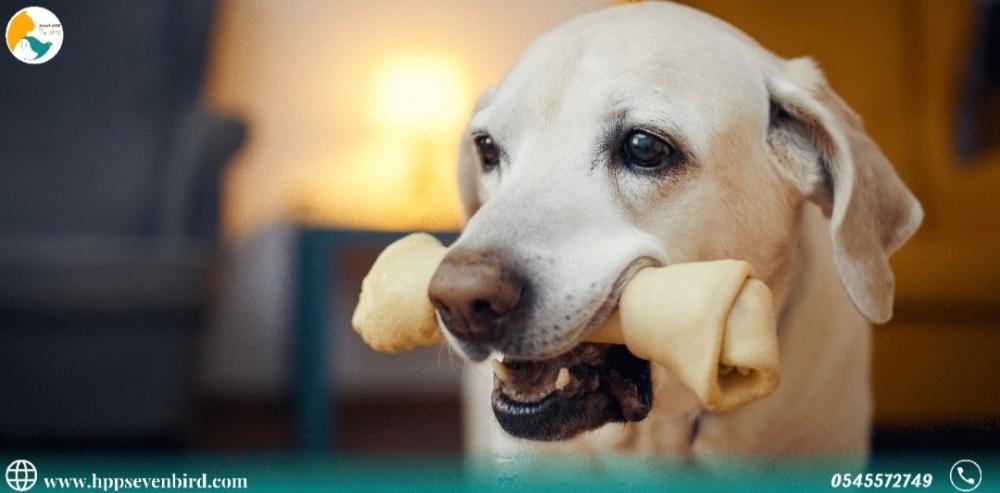
Sooner or later, many dog lovers return home to find some unexpected damage to their furniture, shoes or other items caused by their dogs. Although dogs make great use of their sense of sight and smell to explore the world, one of their favorite ways to absorb new information is with their mouths.
Fortunately, chewing can be directed toward the appropriate items so your dog doesn't destroy things you value or jeopardize his safety.
Understand your dog:
Puppies, like infants and toddlers, explore their world by putting objects in their mouths. And, like babies, they teethe for about six months, which usually creates some discomfort. Chewing not only facilitates teething, but also makes sore gums feel better.
Adult dogs may engage in destructive chewing for any number of reasons, including as a coping strategy for stress and boredom. In order to stop the behavior, you must first determine why your dog is chewing—and remember, they are not doing it to spite you. Possible reasons for destructive chewing include:
- As a puppy, they weren't taught what is and isn’t acceptable to chew.
- They don’t have access to safe and appropriate chew toys.
- They're bored.
- Their behavior is fear-related and chewing is a coping skill.
- Chewing simply feels really good.
If you believe your dog’s chewing is related to serious anxiety, you may need to consult a behavior professional for help with both separation anxiety and fear-related behaviors.
Teach what to chew:
- Take responsibility for your own belongings. If you don't want it in your dog's mouth, don't make it available. Keep clothing, shoes, books, trash, eyeglasses and remote controls out of your dog's reach. Putting trash in a cupboard or blocking off areas with enticing items is the easiest way to prevent mistakes.
- Give your dog toys that are clearly distinguishable from household goods. Don't confuse them by offering shoes and socks as toys and then expecting them to distinguish between their shoe
Seven Bird Beef Flavor Bone Chewable Dog Toy
Seven Bird Chewable Pillow Tug Toy for Dogs
- Give your dog plenty of physical and mental exercise. If your dog is bored, they'll find something to do to amuse themselves. On the other hand, a tired dog is a good dog, so make sure they get lots of physical and mental activity.
Seven Bird Indoor/Outdoor Dog Playpen
- If your puppy is teething, try freezing a rubber toy; the cold rubber will soothe their gums. As always, supervise your puppy so they don't chew and swallow any pieces.
Seven Bird Cat and Dog Teether Toy
- Make items unpleasant to your dog. Furniture and other items can be coated with a taste deterrent to make them unappealing. Caution: Supervise your dog when you first try one of these deterrents. Some dogs will chew an object even if it's coated with a taste deterrent. Also be aware that you must reapply some of these deterrents to maintain their effectiveness.
Beaphar Indoor Home Spray to Prevent Dogs from Scratching or Chewing 125ml
- Don't chase your dog if they grab an object and run. If you chase them, you are only giving your dog what they want. Being chased by their human is fun! Instead, call them to you and offer them a treat.
Sanal Duck Slice Dog Treats 80g
Hills Treats for Dogs with Food Allergies 220g
Wolf Dog Treats with Lamb 100g
- Have realistic expectations. At some point your dog will inevitably chew up something you value; this is often part of the transition to a new home. Your dog needs time to learn where and what the appropriate chew toys are. Take precautions and keep things out of their reach to set them up for success.
Nobleza Soft Rubber Dog Muzzle to Prevent Bite and Bark Size XXS
Punishment doesn't work:
- There may be times when you’re panicked over what your dog is chewing—such as a bottle of medication—which is why training them to trade you for treats will ensure they give up even the most fun items.
- Scolding or pulling things out of your dog’s mouth can cause behavior issues to develop. Why risk your dog’s trust when there is more effective ways are more effective? And that “guilty look” is actually a canine submissive posture that dogs show when they feel threatened or unsafe.
- When you're angry and upset, your dog feels threatened by your tone of voice, body language and/or facial expressions, so they may hide or show submissive postures. Building and maintaining a positive, trusting relationship with your dog is the foundation of a happy life together!