
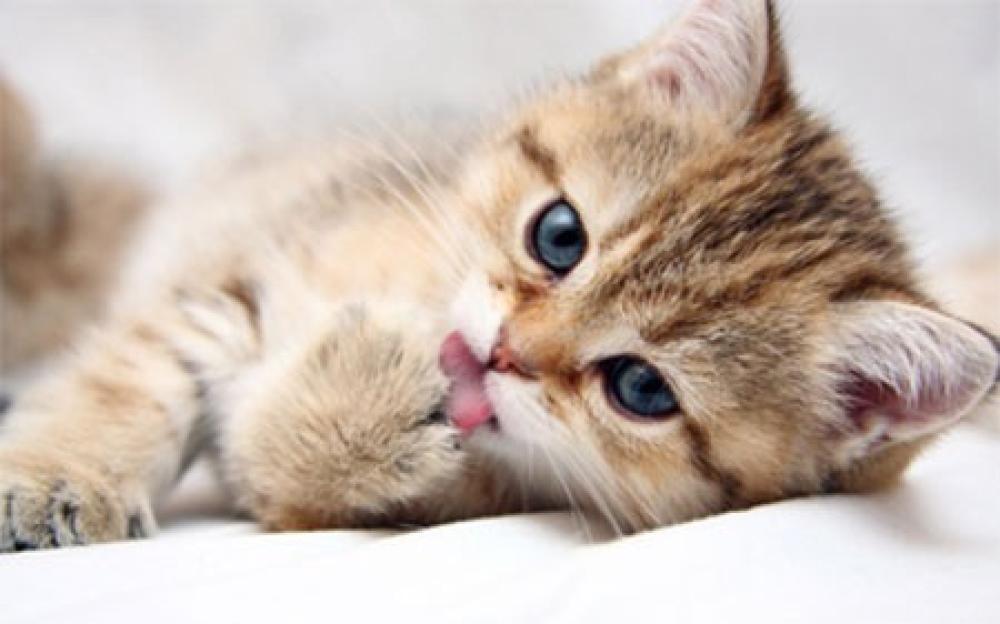
What do small and large cats eat: The best cat food
What do cats eat? This question may arouse the curiosity of many cat owners, as cat nutrition can be more complicated than you imagine, and providing the right food for your cat can make a big difference in its health and happiness. In this article, we will discover the world of cat nutrition, and find out what is best for them.
Cats belong to animals that eat meat, and they love variety in their food. They cannot eat the same dry food on a daily basis, so you must be careful to provide different foods to your cat, while paying attention to maintaining a balance between fats, carbohydrates, vitamins, minerals, and amino acids in its diet.
It should also be taken into account that a cat's nutritional needs change with age and health.
What do small and large cats eat?
Eating newborn kittens:
Newborn kittens need their mother's milk from birth until they are 6-8 weeks old.
When weaning begins, they need high amounts of protein. As the kittens grow, the amount of protein they need will gradually decrease. They also need calcium, fats and vitamins.
You can start the weaning process and introduce wet food to your kitten at the age of 3-4 weeks. Then you can start introducing dry food at 6 weeks, but wet food containing high amounts of protein should be the main food.
We have designated for your comfort from the seventh bird:
Hills dry food for chicken chicks
Beaphar Lactol milk replacer for cats
Life Cat Wet Food for Linen with Tuna 70g
Royal Canin milk with bottle for kittens 300g
EgySense Sterilized Goat Milk for Kittens and Small Dogs 60ml
Eating Shirazi cats:
Persian cats need a diet that contains a high percentage of proteins in addition to vitamins and carbohydrates. Also, wet or canned food can be a suitable option for kittens.
We have designated for your comfort from the seventh bird:
Royal Canin Persian wet food for cats 85g
Turkey cat food:
It usually consists of a mixture of animal proteins such as meat, poultry and fish.
In general, it is preferable to provide high-quality nutritional foods that contain balanced nutritional components such as proteins, fats, vitamins, minerals, and fiber. It is also important to provide adequate amounts of water to cats to maintain their bodies hydrated and in general health.
We have designated for your comfort from the seventh bird:
Ziwi Bake wet cat food with mackerel 85g
Butchers wet cat food with beef in jelly 400g
Majestic Sterilized dry food for sterilized cats 7kg
Birbo Sterilized Dry Food for Sterilized Adult Cats with Seafood 1kg
Hills Hypoallergenic Dry Cat Food with Egg and Insect Protein 1.5kg
Carnilove True Fresh dry food for sterilized adult cats with fresh chicken 1.8kg
What are the times and schedule for eating cats?
The cat feeding schedule can vary slightly depending on the individual circumstances of each cat and its special needs, but in general, cat feeding can be divided as follows:
– Eating schedule for kittens (under 6 months):
Breastfeeding: Kittens usually breastfeed 4 to 6 times a day.
Weaning: The weaning process usually begins when kittens are 4 to 6 weeks old. Solid food can be gradually added to the feeding schedule.
– Eating schedule for large cats (over 6 months):
It is preferable to provide two to three meals a day, each of which contains a high percentage of protein, while always providing clean water.
– Eating table for large Persian cats:
She may need additional amounts of food and a veterinarian should be consulted to determine her individual nutritional needs.
- Eating schedule for elderly cats:
Starting at the age of 7 years, she may need a special diet that meets her special nutritional needs as she grows older. Your vet can recommend specific nutritional supplements.
“Cats' feeding schedule should be flexible enough to meet their individual needs and changes in conditions and health. Ensure clean food and pure water are available at all times, and check that cats are eating a balanced diet.”
What are the types of cat food?
Dry food for cats:
It consists of a mixture of meat, grains, vitamins, minerals, poultry, and fish meal. This mixture is dried into small pieces and usually coated in fat, which helps improve the taste. But sometimes, cats do not like dry food and do not digest it well.
You may find in seventh bird:
Sibus dry food for chicken chicks 2.5kg
Defiance Complete dry cat food with chicken 20kg
Hills Sterilized Dry Food for Sterilized Cats with Chicken
Siofi Gyokuso dry food for chicks with chicken and vegetables 15kg
Josera Marines dry food for adult cats with food allergies, salmon flavor, 2kg
Horayra Dry Food for Adult Cats Skin and Hair Care with Chicken and Vegetables
Semi-wet food:
It consists mostly of meat and meat products with some preservatives added. This type of food contains more moisture and may be tastier for cats. However, once the package is opened, the food can dry out, become hard and spoil.
You may find in seventh bird:
Kit cat wet cat food with tuna and white pet 70g
Shezar Wet Food for Cheese Mousse with Tuna 85g
Schizer Dark wet cat food with chicken and quail eggs 80g
Wanpy wet cat food with salmon, chicken and carrots 90g
Canned food:
It contains a combination of meat, meat products, vegetables or grains. It also contains a high percentage of moisture and is a good source of water for your cat. It is much tastier, but some brands may not contain all the nutrients that your cat needs. Canned food should be placed in the refrigerator as soon as it is opened.
You may find in seventh bird:
Lucy Cat wet food for adult cats with chicken 375g
Kit cat wet cat food with tuna and beef in broth 70g
Schizer Dark Wet Food for Cats with Chicken and Beef 80g
You can also visit our seventh bird store and view all the products....