
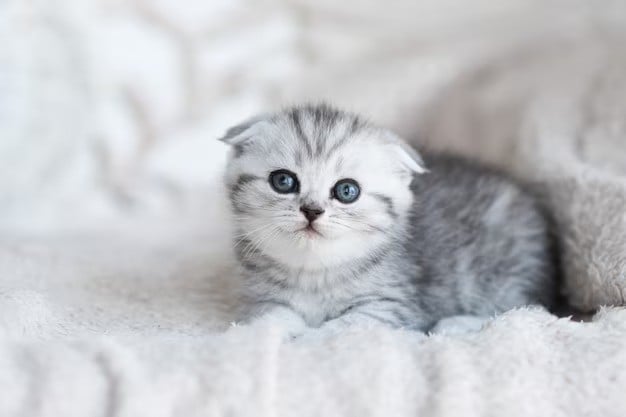
Caring for a newborn kitten is challenging. They need constant attention and care. Looking after them during the first few weeks of their lives is no easy task, especially if they don't have their mother. Therefore, it's important to know how to care for a newborn kitten.
How do I deal with a newborn kitten?
Here are some tips on how to care for newborn kittens:
1. Keep the cat warm
Make sure you provide them with a warm, dry, and safe place away from potential hazards. Ensure the chosen spot is sheltered from drafts. Since newborn kittens cannot regulate their body temperature, it's important to keep them warm. You can use a heating pad or a warm water bottle wrapped in a towel to create a cozy spot for the kitten.
Therefore, we have allocated the seventh bird for your cat:
- Seven Bird Fish-Shaped Cat Bed and House
- Seven Bird Cat and Dog Bed and Sleeping Bag
- A soft, padded cat bed with a luxurious, high-rimmed look from Zolux
- A soft, padded cat bed in the shape of a sleeping bag, safe and comfortable, from Zolux.
2- Food
Newborn kittens should be fed every 2-3 hours. If the mother is present and able to nurse, let the kitten nurse from her. If the mother is not present or unable to nurse, you will need to feed the kitten with a kitten formula using a syringe or bottle.
Therefore, we have allocated the seventh bird for your cat:
- Befar Lactol Milk Substitute for Cats
- Royal Canin Milk with Bottle for Kittens
- Flamingo dog and cat bottle
- Seven Bird dog and cat bottle
- Trixie bottle for feeding dogs and kittens
- Seven Bird pet bottle
- Seven Bird baby bottle with cleaning brush
- Lactol pet bottle set with cleaning brush from Befar
3- Stimulating urination and defecation
Newborn kittens cannot urinate or defecate on their own, so it's important to stimulate these processes after each feeding. Especially if the mother isn't around, you'll need to help the kittens relieve themselves during their first few weeks. Use a damp cloth and gently massage their sensitive areas to stimulate their genitals until they urinate or defecate . Wash the cloth immediately and dry the kittens before returning them to their enclosure.
4- Keeping the environment clean
Newborn kittens are susceptible to infections, so it's important to keep their environment clean and bacteria-free. Clean the bedding and litter box frequently, and wash your hands before handling the kitten.
5. Monitor the cat's health
Closely monitor your cat's health and behavior. If you notice any signs of illness or distress, such as lethargy, loss of appetite, diarrhea, or if your cat doesn't urinate or defecate when being treated or placed in the litter box, you should contact a veterinarian immediately to find out what's wrong. Your cat may be constipated or have a blockage that needs to be cleared. Remember that caring for a newborn kitten requires a lot of time and dedication.
Caring for a newborn kitten with its mother
Now that we've seen how to care for newborn kittens without their mother, what about newborn kittens with their mother? If the mother is present, things will be much easier. Here are some tips.
1- Separation of mothers
Kittens are very dependent at first. They don't open their eyes until they are about ten days old, although they don't dare to leave their mother's side. She will feed and clean them. It's important not to separate them at this stage. Just make sure that both the mother and the kittens feel comfortable and in a calm environment.
2- Maternal nutrition
Ideally, kittens should be exclusively breastfed until they are about six weeks old. At this point, you can introduce dry food. Initially, it's best to soak the food to make it easier. They will soon learn to eat it, and you won't need to soak it.
This is the recommended time to begin weaning, separating them during the day and letting them sleep together. The kittens will gradually learn to be independent. Additionally, their curiosity will begin to awaken between one and one and a half months. This is also the right time for them to learn how to use their litter box .
3- Care from 6 weeks of age
From six weeks of age, behaviorists recommend introducing wet or dry food, always specifically formulated for kittens. Croquettes should be soaked in milk or water.
At two months old, a kitten should eat only dry food and drink plain water. The same applies to the litter box. Place it in a quiet spot, separate from the food feeder. Reward her with petting or positive reinforcement .
socialization
1- Caring for a newborn kitten:
From 2 to 8 weeks of age, there is what animal behaviorists call the temperament period. During this stage, it is very beneficial to expose your kitten to all the stimuli present in its environment. This will familiarize it with these stimuli and prevent stress, anxiety, and other behavioral problems.
Interactive games where you have to figure out how to catch food, or those that use sounds and smells, or even a simple toy box, will help you complete this environmental stimulation. And don't hesitate to use catnip —yes, as an occasional supplement.
Therefore, we have allocated the seventh bird for your cat:
- Befar Lactol Milk Substitute for Cats
- Jana milk powder for babies, rich in vitamins and minerals
- Zovital dried milk for kittens is rich in minerals, vitamins and oils
- Zovital dried milk for kittens is rich in minerals, vitamins and oils
- Seven Bird Catnip Rolling Ball for Cats' Teeth Cleaning
2- Games:
Physical activity, play, and exploration are inherent in kittens. Playing with your kitten will provide enjoyable experiences and strengthen your bond. If this routine is repeated over time and becomes a habit, it will help prevent obesity and related health problems.
Therefore, we have allocated the seventh bird for your cat:
- Flamingo Interactive Laser Cat Toy, Black
- Zolux Cat Toys and Games Set of Colorful Balls
- Cat toys and games: Seven Bird interactive fishing stick toy for cats
- Seven Bird Interactive Cat Toy with 360-Degree Rotating Feathers and Bell Ball
3- Vaccinations and deworming:
After weaning and the proper introduction of wet food, as we explained, and around two months of age, the kitten should be dewormed . Additionally, between two and four months of age, the kitten should receive the necessary vaccinations. From that point on, it can interact with other cats and dogs.
Finally, we at Seventh Bird recommend you visit pet.code.clinic for the best vaccinations and the best treatment.