
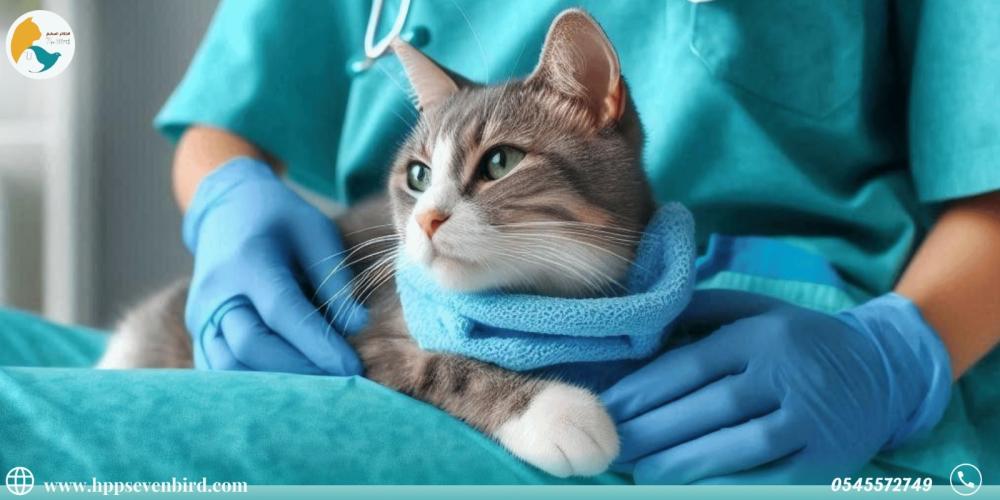
If you own a cat who has been neutered, you may be wondering how this will affect their nutritional needs. Neutering is a common and important feline reproductive control procedure that offers numerous health and behavioral benefits, but it also impacts a cat's metabolism and calorie expenditure. Therefore, understanding proper nutrition for neutered cats is crucial to maintaining their long-term health and activity.
?Why do neutered cats have different nutritional needs
After neutering, hormonal changes occur that affect the cat's body in various ways:
Lower metabolic rate: Neutered cats tend to burn fewer calories than unneutered cats. This means they require less energy to maintain a healthy weight.
Increased appetite: You may notice your cat becoming hungrier after neutering, increasing the risk of overeating and weight gain.
Changes in body composition: Neutered cats may develop increased fat mass and decreased muscle mass if their diet and physical activity are not monitored.
Increased risk of urinary tract problems: Spayed cats, especially males, may be more susceptible to urinary tract problems, such as the formation of urinary stones, due to changes in urine pH and decreased water consumption.
These changes make spayed cats more susceptible to weight gain and obesity, which in turn can lead to serious health problems such as diabetes, joint disease, and heart and kidney problems.
:Tips for feeding your neutered cat healthily
To ensure your neutered cat receives optimal nutrition, follow these guidelines:
1. Choose the right food:
Look for foods specifically designed for neutered cats. These foods typically feature:
Fewer calories: They contain a low-calorie formula to aid weight control.
Adequate protein content: Provides a sufficient amount of high-quality protein to support muscle mass and maintain satiety.
Balanced minerals: Often contain balanced mineral levels (especially magnesium and phosphorus) to help maintain urinary tract health and prevent stone formation.
Adequate fiber: Fiber can help promote satiety and improve digestive health.
Consult your veterinarian for recommendations on the best food for your cat based on its age and health condition.
So, we've dedicated this to you from seventh bird:
Purina Dry Food for Sterilized Cats with Salmon & Tuna for Weight Loss 1.5kg
Smile Cat Dry Food for Sterilized Cats with Chicken 1kg
Klybeck Caviara Dry Food for Sterilized Cats with Chicken 1.5kg
Hill's Sterilized Adult Cat Food with Trout in Gravy 85g
2. Control portions:
This is the most important step! Even if you're feeding food specifically for neutered cats, overfeeding will lead to weight gain.
Follow feeding guidelines: Start with the recommended portions on the food package as a guide, but be prepared to adjust.
Monitor your cat's weight regularly: Use a small scale to weigh your cat every two to four weeks. If they start to gain weight, gradually reduce the portion.
Consult your veterinarian: Your veterinarian can provide you with precise guidelines on the ideal amount of food for your cat based on its current weight, target weight, and activity level.
3. Divide Meals:
Instead of serving one large meal, try dividing the recommended daily amount into two or three smaller meals throughout the day. This can help:
Maintaining stable blood sugar levels.
Reducing extreme hunger.
Boosting metabolism.
So, we've dedicated this to you from seventh bird:
Josera Help Dry Food for Adult Cats for Weight Control and Diabetes 2kg
4. Provide fresh, clean water:
Water is vital to cats' health, especially for urinary tract health. Encourage your cat to drink:
Provide multiple water bowls in different areas of the house.
Use a cat water fountain, as some cats prefer running water.
You can add a small amount of wet food to their diet to increase their water intake.
So, we've dedicated this to you from seventh bird:
Purina Hydration Support Adult Cat Supplement 75g
Seven Bird 4L Automatic Stainless Steel Cat and Dog Water Fountain with Sensor
Seven Bird 2.5L Stainless Steel Automatic Cat and Dog Water Fountain
5. Encourage physical activity:
Nutrition alone isn't enough! Regular physical activity is essential for maintaining a healthy weight, building muscle, and reducing boredom.
Play with your cat daily: Use feather toys, laser pointers (carefully to avoid frustration), or other interactive toys.
Provide a rich environment: Include cat trees, scratching posts, and places for her to climb and hide.
Encourage movement: You can hide a portion of their daily food in food puzzles to encourage them to search and move.
So, we've dedicated this to you from the Seventh Bird:
Cat Fishing Rod with Duck inside a Ball and Feathers from seven bird
Vertical scratcher with toy for cats from seven bird
Entertaining laser toy for cats from Seven Bird
Seven Bird Cat Ball Tracker with Feather
6. Be patient and consistent:
It may take some time to adjust your neutered cat's diet and find the right balance. Be patient, stick to the plan, and closely monitor your cat's health and weight. Don't hesitate to ask your veterinarian for help if you have any concerns.
?When should you consult a veterinarian
If you notice rapid weight gain or loss of appetite.
If your cat shows any signs of urinary tract problems (difficulty urinating, frequent urination, blood in the urine).
To get nutritional recommendations tailored to your cat's condition.
By providing proper care and nutrition after neutering, you can help your cat live a long, healthy life.