
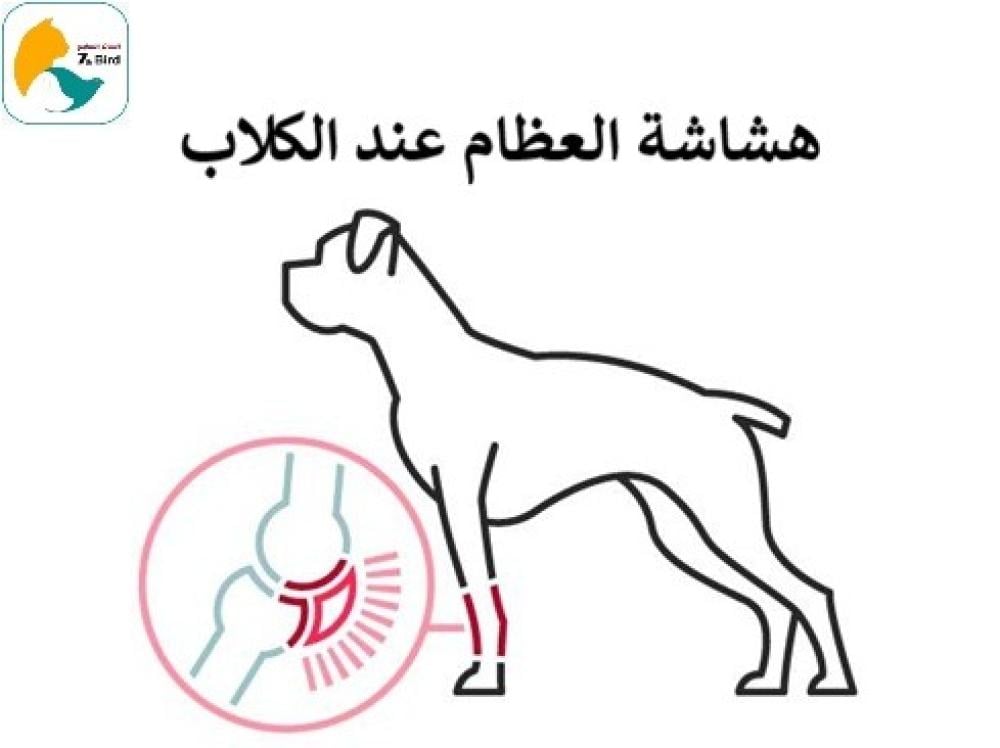
Osteoporosis in dogs is a term commonly used by dog owners, often to describe any pain or difficulty moving a dog experiences, although the medical definition is more precise and specific. With age, or due to genetic and nutritional factors, bone and joint health can be directly affected, impacting a dog's activity level and overall quality of life. This comprehensive guide will explain the correct meaning of osteoporosis in dogs, the difference between it and arthritis, and clarify the symptoms, causes, and scientifically based methods of prevention and treatment.
Osteoporosis in dogs: The correct medical concept
Medically, osteoporosis refers to a decrease in bone density and weakening of the internal structure of bones , making them more susceptible to fractures even from minor injuries. This condition is relatively rare in dogs compared to humans, but it can occur in specific situations such as:
- Prolonged calcium or vitamin D deficiency
- Hormonal disorders (such as hyperparathyroidism)
- Chronic use of certain medications such as cortisone without veterinary supervision
- Chronic malnutrition, especially during the puppy growth stage
Understanding this definition is essential, because many cases that people believe to be osteoporosis are actually degenerative arthritis .
What is the difference between osteoporosis and arthritis in dogs?
Osteoporosis
- The main problem: low bone density itself
- Main risk: easy fractures
- Common: Rare in dogs
- Diagnosis: X-rays and blood tests to assess bone density
Osteoarthritis
- The main problem: cartilage erosion between the joints
- Symptoms: pain, stiffness, and difficulty moving
- Commonity: Very common, especially in older or obese dogs.
- Diagnosis: Clinical examination + X-ray + Medical history
Important note: Most of the symptoms of bone inflammation that breeders observe are due to arthritis and not to osteoporosis in the strict sense.
Read also: Calcium deficiency in dogs: causes, symptoms, treatment, and prevention step by step
Symptoms of osteoporosis in dogs
Symptoms depend on the underlying cause, but may include:
- Noticeable pain when moving or when touching certain areas.
- Difficulty getting up after resting or sleeping.
- Decreased activity and desire to play or walk.
- A change in the way you walk or the appearance of intermittent limping.
- He hesitated to jump or climb stairs.
- Frequently licking the joints.
- Moaning, irritability, or unusual aggressive behavior.
- Insomnia and difficulty sleeping due to pain.
⚠️ These signs alone are not enough to diagnose osteoporosis in dogs and a veterinarian should always be consulted.
Symptoms of osteoarthritis in the knee and symptoms of osteomyelitis in dogs
Symptoms of osteoarthritis in the knee of dogs
When the knee joint is particularly affected, the following signs may appear:
- The limp increases after waking up or after exertion.
- Loss of stability in the rear limb.
- Clear hesitation when going up or down stairs.
- Refrain from jumping or running short distances.
Symptoms of bone and joint inflammation
Some symptoms of arthritis are similar to those of osteoporosis, most notably:
- Severe stiffness, especially in the morning or after rest.
- Swelling or tenderness in the affected joints.
- Groaning or irritation upon movement.
- Licking the joints constantly as a result of feeling pain.
Which animals are most prone to bone problems?
All pets can be affected by bone diseases, but dogs and cats are more susceptible due to their longevity and high activity levels.
The most susceptible breeds of dogs
Large and giant breeds
Excess weight puts additional pressure on the joints, for example:
- German Shepherd
- Labrador and Golden Retriever
- Rottweiler and Great Dane
Short-legged breeds
Due to their physical structure, they are subjected to uneven pressure on the spine and joints:
- Dutch Hond
- Bulldog
Causes of osteoporosis and arthritis in dogs
Genetic and congenital causes
This is the most common reason in dogs; some breeds are born with joint formation problems that later lead to inflammation:
- Hip or elbow joint deformity: where the bone does not fit in its place, causing constant friction and cartilage erosion.
- Asymmetrical bone growth: When one bone in the leg grows faster than the other, it puts pressure on the joint and leads to the appearance of symptoms of osteoarthritis in the knee at an early age.
Obesity and excess weight
It is considered the silent killer of joints because:
- Mechanical pressure: Excess weight puts stress on the cartilage and causes it to wear away quickly.
- Chemical inflammation: Fat tissues secrete hormones and chemicals that increase the state of inflammation in the body, which exacerbates the symptoms of bone inflammation.
malnutrition
Especially during the growth stage, bones need a very precise combination of minerals; any imbalance in this balance leads to the appearance of symptoms of osteomyelitis:
- Calcium or vitamin D deficiency: leads to soft and dense bones.
- Increased phosphorus: This occurs due to an unbalanced diet based on feeding the dog pure meat, which causes the body to draw calcium from the bones to compensate for the deficiency.
Other factors
- Excessive stress or lack of movement: Jumping and running for long periods on hard surfaces causes microscopic shocks. At the same time, lack of movement plays a major role in weakening the muscles that support the joint, which makes the bones bear the full burden.
- Aging: Natural cartilage wear and tear over time reduces the joint's ability to absorb shocks.
- Previous injuries: Fractures or ligament tears, even if treated, leave the joint unstable.
Read also: Information about cat neutering: A comprehensive guide to neutering male and female cats
Stages of development of osteoporosis and arthritis in dogs
Early stage
- Slight limping after rest
- Hesitation to jump or move
- Decreased enthusiasm for activity
Intermediate stage
- Frequent and more severe pain attacks
- A clear decline in movement
- Gradual deterioration of cartilage
Advanced stage
- Severe difficulty walking or standing
- Loss of motor independence
- Clear impact on quality of life
Prevention and treatment of osteoporosis in dogs
Osteoporosis or arthritis cannot be completely reversed, but the symptoms can be controlled and their progression slowed.
Physical exercise
Moderate and regular movement helps in:
- Strengthening the muscles that support the joints
- Improving flexibility
- Weight control
balanced diet
- Choosing food appropriate for age and breed
- Avoid excess calories
- Using veterinary prescription joint support supplements
- Serving food that does not cause obesity and weight gain
Physical therapy and rehabilitation
Includes:
- therapeutic exercises
- Massage and laser therapy
- Using an underwater walking machine or pool therapy
These treatments can also be combined with medications to control inflammation resulting from osteoporosis and arthritis.
surgical intervention
In cases of severe joint damage, a veterinarian may suggest surgery to alleviate symptoms of osteoarthritis and slow disease progression. Some procedures may involve removing bone fragments that contribute to the condition. Surgery is an option to minimize the negative impact and improve the dog's quality of life.
Scientific solutions from our store to support your pet's health:
To protect your pet from the risks of osteoarthritis and arthritis, Seventh Bird offers a selection of products designed to improve their quality of life and alleviate their pain. If your dog begins to show signs of osteoarthritis in their knee, early intervention with nutritional supplements can significantly slow cartilage erosion.
We also recommend comfortable beds that distribute body weight evenly and relieve pressure on inflamed joints, thus reducing the severity of arthritis symptoms that worsen when sleeping on hard floors. Invest in your dog's health now and explore our specialized range of bone and joint support foods to ensure active, pain-free movement.
in conclusion
Understanding the difference between osteoporosis and arthritis is the first step to protecting your dog from prolonged suffering. Early detection of osteoporosis symptoms, proper nutrition, and adequate exercise, along with regular veterinary checkups, will ensure your dog a more comfortable and active life, even in their later years.
Frequently asked questions about osteoporosis in dogs
How to treat a dog with osteoporosis?
Treatment depends on the cause and severity of the osteoporosis and often includes a comprehensive plan that involves medications prescribed by a veterinarian to relieve pain, improved nutrition (especially calcium and vitamin D), weight management, and gentle exercise appropriate to the condition. In some cases, supplements or physical therapy may be used under veterinary supervision.
How long can dogs with osteoporosis live?
Osteoporosis does not necessarily mean a shorter lifespan for a dog. With early diagnosis, appropriate treatment, and improved lifestyle, a dog can live many years with a relatively good quality of life, especially if pain is controlled and the risk of fractures is minimized.
What are the early signs of osteoporosis?
The signs often begin gradually, such as decreased activity, hesitation when getting up, avoidance of jumping or playing, and a slight change in gait. These early symptoms may be overlooked, but they are an important indicator that warrants veterinary examination.
Does the type of food affect osteoporosis in dogs?
Yes, nutrition plays a key role. A deficiency in calcium, phosphorus, or vitamin D can worsen bone weakness, especially in puppies and older dogs. A balanced diet appropriate for the dog's age and size helps maintain bone health and prevent the condition from worsening.
Is walking beneficial or harmful for a dog with arthritis?
Light, regular walks are beneficial in most cases, as they help strengthen muscles and maintain joint flexibility. However, long or strenuous walks should be avoided, and the dog's condition should be considered. It's best to consult a veterinarian to determine the appropriate level of activity.
Is there a specific age at which symptoms of osteomyelitis appear in dogs?
Osteomyelitis is most common in older dogs, but it can occur at a younger age due to obesity, injuries, or genetic factors. Therefore, age is not the only factor, and early observation of any changes in movement is important at all ages.