
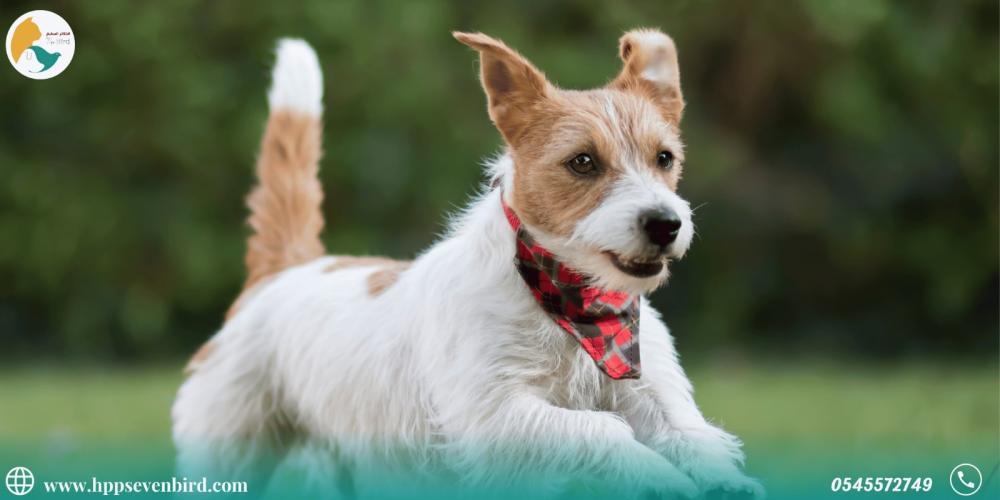
Owning a highly active dog can be fun and full of energy, but sometimes that activity can go beyond normal and become a challenge for you and your furry friend. In this blog, we'll cover the causes of hyperactivity in dogs, how to recognize it, and, most importantly, some strategies and tips to help your dog relax and calm down.
What is hyperactivity in dogs?
?What is hyperactivity in dogs
Hyperactivity doesn't simply mean your dog has too much energy. It's a condition that may include excessive behaviors such as:
- Excessive panting and rapid pacing, even when at rest.
- Difficulty settling down or relaxing.
- Excessive barking or howling for no apparent reason.
- Destructive behaviors such as excessive chewing and digging.
- Difficulty training or concentrating on commands.
- Exaggerated reactions.
:Causes of hyperactivity
There are several factors that can contribute to a dog's hyperactivity, including:
Breed: Some breeds have naturally higher energy levels and require more exercise and stimulation.
Lack of Exercise: If a dog doesn't get enough physical and mental exercise, it may become frustrated and begin to exhibit hyperactive behaviors.
Boredom: Dogs left alone for long periods without stimulation can become anxious and begin exhibiting behaviors associated with boredom.
Anxiety and Stress: Anxiety or stress caused by various factors, such as separation or noise, can lead to hyperactivity.
Diet: A diet high in sugar or additives may contribute to increased energy levels in some dogs.
Medical conditions: In rare cases, medical conditions may contribute to hyperactivity, such as hyperthyroidism (although this is less common in dogs than in cats).
Attention Deficit Hyperactivity Disorder (ADHD) in Dogs: Recent studies suggest that dogs may also develop a condition similar to ADHD in humans.
:How to deal with hyperactivity in dogs
Dealing with hyperactivity requires patience and consistency. Here are some strategies you can try:
Increase Exercise: Make sure your dog gets enough daily exercise appropriate for his breed, age, and energy level. This can include brisk walks, running, playing fetch, and swimming.
So we have dedicated to you from the seventh bird:
Dog toys and games, high gloss polyester dog pool, dimensions: 120-30 cm
Mental Stimulation: Mental exercise is just as important as physical exercise. Provide puzzle toys, short, fun training sessions, new commands, and food-seeking games to keep your dog's mind occupied.
So we have dedicated to you from the seventh bird:
Seven Bird Automatic Ball Launcher for Dogs
Vadigran Strong and Durable Thermoplastic Rubber Dog Toy
Seven Bird Indoor/Outdoor Dog Playpen
Relaxation Training: Teach your dog a command like "calm" or "relax" and reward him when he lies down quietly. Create a quiet, comfortable place for your dog to retreat to.
So we have dedicated to you from the seventh bird:
Seven Bird Pet Bed and Mattress
Consistent Routine: Maintain a regular daily routine of feeding, walking, playing, and resting. This can help reduce anxiety and provide a sense of security for your dog.
Environmental Modification: Reduce stimuli that might trigger hyperactivity in your dog. If your dog barks at passersby from the window, try blocking their view.
Balanced Diet: Talk to your veterinarian about the best diet for your dog. Switching to a high-quality, minimally processed food may help stabilize their energy levels.
So we have dedicated to you from the seventh bird:
Klipik Caviar Dry Food for Small Breed Dogs with Salmon 2kg
Hills Dry Food for Adult Dogs with Sensitive Stomach and Skin with Chicken 2.5kg
Nutritional supplements and natural tranquilizers: In some cases, your veterinarian may recommend nutritional supplements or natural tranquilizers to help calm your dog. Always consult your veterinarian before giving any supplements.
So we have dedicated to you from the seventh bird:
Aussie Dog Treats Crunchy Biscuits Filled with Salmon & Blueberry 80g
Ziwi Peak Venison Lung & Kidney Dog Treats 60g
Professional Training: If you're having difficulty controlling your dog's hyperactivity, it may be helpful to seek the help of a professional dog trainer who specializes in behavior modification.
Visit your veterinarian: It's important to rule out any potential medical causes of hyperactivity. Your veterinarian can perform a thorough examination and recommend appropriate treatment if necessary.
Remember: Every dog is different, and what works for one may not work for another. Be patient and consistent in your efforts, and celebrate the small improvements you see. With understanding, patience, and dedication, you can help your hyperactive dog become a calmer, happier companion.