
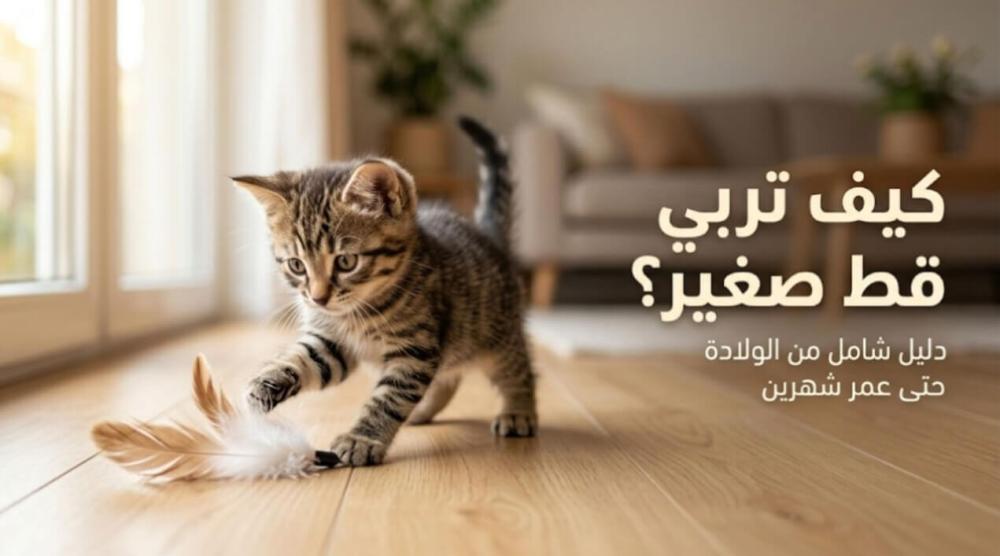
There's a completely different feeling the first time you hold a kitten in your hands. A tiny creature, barely weighing, with eyes full of both fear and exploration. That's when you begin to understand that it's not just about a cute pet, but a daily responsibility that requires attention, understanding, and patience.
Many people ask: How do you raise a kitten without making mistakes? The first few months are particularly crucial in a kitten's life, and any shortcomings during this time can affect its health or temperament later on. Conversely, proper care helps it grow up healthy and adapt easily to people and its surroundings.
In this article, we will talk in a simple and practical way about the best ways to care for cats. We will start by talking about appropriate food and vaccination schedules, and then move on to dealing with common diseases and mistakes that most breeders make without noticing.
Stages of kitten development: Daily schedule from birth to two months
Before you learn how to properly raise a kitten, you need to know its age. Its needs change very quickly, and even a difference of one to two weeks can make a difference in feeding, care, and handling.
Essential supplies that cannot be dispensed with
A warm, age-appropriate bed : Keeping kittens warm in their first few weeks isn't a luxury, but a vital necessity, as young kittens can't regulate their body temperature. Provide a soft, padded bed away from drafts. If the kitten is less than four weeks old, place a warm water bottle wrapped in a towel next to the bed (not directly under it) for extra warmth.
Low-height litter box: A high box is really a hindrance for kittens; so choose a box that you can easily get into.
Get a litter box for kittens now .
Securing your home from unseen risks
Kittens are endlessly curious, and this curiosity can get them into trouble if the home isn't safe. Before your kitten arrives:
- Hide or cover electrical wires well, because cats like to bite and play with them.
- Always check the washing machine or dryer before turning them on; many cats get in and hide inside them.
- Keep poisonous plants such as lilies, ivy, and pothos out of her reach.
- If you have a balcony, it is best to install a protective screen or lock it securely.
Smart tip: Allocate a small room for her for the first three days only, with her food, water and her litter box.
Feeding kittens: A detailed guide by age and quantity
From birth to 4 weeks: the breastfeeding stage
If the mother cat is present and healthy, her milk is the ideal and irreplaceable food. However, if the kitten is orphaned or the mother is unable to nurse, specialized kitten formula is an absolute necessity.
Important note : Never give a kitten cow's milk. Most kittens are lactose intolerant, and cow's milk can cause severe diarrhea, which may be dangerous for them at this age.
The correct way to bottle feed:
- Every two to three hours for the first four weeks
- Heat the kitten milk until it reaches body temperature (approximately 38 degrees Celsius).
- Hold her at a slight angle, as if she were nursing from her mother.
- Don't squeeze the bottle; let her drink comfortably.
After feeding the kitten, gently rub a warm cloth over her belly and rear. This simple action helps her go to the bathroom, as kittens cannot do this on their own at first.
From 4 weeks to 2 months: The gradual weaning stage
Start by offering very small amounts of wet food specifically formulated for kittens.
At six weeks old, most kittens are ready to rely almost entirely on wet food. At two months old , dry food specifically formulated for kittens can be gradually introduced.
Two-month-old kitten: The ideal daily feeding schedule
A two-month-old kitten is in a very rapid growth phase, so it needs more food and energy than an adult cat, relative to its size and weight.
Clean water is always available and replenished daily. Kittens drink more water than many people expect, especially if their diet is primarily dry.
Foods that are strictly forbidden for kittens
- Chocolate and caffeine in any form
- Onions and garlic, even if cooked
- grapes and raisins
- Cow's milk and fatty cheeses
- avocado
- Bread, sweets, and pastries
- Small bones that are prone to fracture and splitting
Healthcare and vaccinations: What you need to know exactly
Kitten vaccination schedule
Vaccinations are among the most important things to prioritize when raising a kitten. The following table represents the correct protocol for vaccinating kittens:
Important note: The schedule may vary depending on the country, region, and local veterinary protocol. Always consult your veterinarian for the most suitable schedule.
In addition to vaccinations, don't neglect:
- Deworming: Many kittens are born with intestinal parasites. Give them deworming medication at two weeks old and repeat every two weeks until they are three months old.
- Treating external parasites: Fleas and ticks are very common. Ask your veterinarian about products suitable for your cat's specific age.
When should you go to the veterinarian immediately?
If a kitten is two months old, its immune system is still relatively weak, so some minor symptoms can quickly become serious. It's best to see a veterinarian immediately if the kitten shows any of the following:
- Persistent diarrhea or diarrhea with blood
- Frequent vomiting within a short period of time
- Difficulty or strange sound during breathing
- Yellow or green discharge from the eye or nose
- Refusal to eat for a long period
- Noticeable lethargy or lack of response
- cramps or loss of balance
The best ways to care for cats: daily and weekly cleaning
Bathing and cleaning
Cats are naturally clean and spend a lot of time cleaning themselves, but kittens need some help at first.
During the first month, simply wiping the kitten with a warm cloth is sufficient instead of a full bath, as water can be problematic for a very young kitten. After two months, you can bathe the kitten as needed using a shampoo specifically formulated for kittens, then dry it immediately with a soft towel. Most importantly, after bathing, ensure the kitten is kept warm and not left wet or in a cold place.
combing
Get your cat used to being brushed from a young age so it feels comfortable with daily touch and handling. Once or twice a week is enough. Brushing helps reduce swallowed hair and keeps the fur healthier, and over time it will make your cat more affectionate and calmer with you.
eyes, ears, and nails
Check your cat's eyes daily. If you notice any yellow or green discharge, it's best to consult a veterinarian. Light discharge can be cleaned with a cotton ball and warm water. A healthy cat's ears will be clean and free of odor or dark discoloration. It's also a good idea to train your cat to have their nails trimmed from a young age so it will be easier later on.
How do you raise a kitten to be affectionate and sociable?
If you're wondering how to raise a kitten that's tame and comfortable around people, socialization is the most important step. The way a kitten interacts with humans, sounds, and touch at a young age influences its personality for many years to come.
Golden window of upbringing
Cats that experience calm and positive experiences from a young age often grow up to be more comfortable with new people and sounds. Even if your kitten is only two months old, it's still a good time to start socializing her.
What it does:
- Handle your cat gently for short periods daily.
- Introduce her to the sounds of the house gradually
- Have more than one person handle it calmly.
- If you have another animal, let them get to know each other gradually and under supervision.
What you should never do:
- Don't yell at her or chase her if she makes a mistake.
- Do not use any physical punishment.
- Don't force her to stay in your arms when she wants to get away.
Common diseases in kittens and how to notice them early?
elephantiasis
This is one of the most common problems in kittens. Symptoms often include frequent sneezing, a runny nose or eyes, and sometimes loss of appetite. It requires veterinary attention, and you should never give your cat any human medication without consulting a doctor.
intestinal worms
This condition is common in cats that come from the street or unsanitary places. Symptoms include abdominal distension with a thin body, frequent diarrhea, or general weakness. Treatment is usually simple and can be done by a veterinarian.
Try the ear
It causes intense itching and frequent head shaking, and a dark brown substance is often observed inside the ear. Specialized ear drops prescribed by a veterinarian are required.
acute diarrhea
It may be caused by a change in diet or stress of being in a new place. If it's mild and disappears quickly, there's usually no problem, but persistent diarrhea or the presence of blood requires prompt medical attention.
eye inflammation
Redness and discharge from the eyes indicate inflammation. Do not use any human eye drops; it is always best to consult a veterinarian.
What are the common mistakes when raising kittens?
- The cat is carried a lot during the first two days, because she is stressed about the new place and needs time to rest.
- Changing food suddenly often causes diarrhea, so any change should ideally be gradual over several days.
- Neglecting to clean the litter box causes the cat to start relieving itself outside of it, and over time it becomes an annoying habit.
- Delaying vaccinations exposes the kitten to easily avoidable diseases.
- Cow's milk is not suitable for kittens and may cause them severe digestive problems.
- Leaving the cat alone all the time at first makes it more fearful and withdrawn from humans.
- Do not use products intended for adult cats such as food, shampoo, or flea medicine, as a kitten's body is more sensitive.
Conclusion
Ultimately, raising kittens isn't as complicated as some might think, but it does require attention, patience, and an understanding of their needs at every stage. Proper nutrition, hygiene, health care, and a calm approach all make a big difference over time.
Kittens don't need extravagant products as much as they need someone to care for them properly and pay attention to their needs day after day. Even simple things like playing with them or providing them with security and comfort clearly affect their personality and health.
Frequently Asked Questions (FAQ)
How do I raise a kitten at home?
Provide her with a quiet and safe place, a litter box, age-appropriate food, and always fresh water. Pay attention to hygiene, vaccinations, and handle her gently, especially in the first few days, to help her feel secure.
How do I deal with a new kitten?
At first, let him explore the place comfortably without disturbing him or carrying him too much. Speak to him calmly, offer him food and water, and a warm place to sleep. Over time, he will begin to get used to you and the house.
When does a kitten start drinking water?
Kittens begin to drink water gradually from the age of 4 to 5 weeks, especially with the start of eating solid food, but milk remains their primary food at the beginning.
What do kittens eat at home?
It depends on age. Very young kittens need special milk, and later they can be introduced to wet or dry kitten food. It's best to avoid spicy food or human food scraps.
Read more articles from The Seventh Bird about:
Why do cats sleep in the sand? And how can this behavior be addressed?
Symptoms of toxoplasmosis: Your comprehensive guide to causes, treatment, and prevention
How many hours do cats sleep and when should you worry?
Cat vaccination schedule in Saudi Arabia 2026: Types, dates, and prices
The best vitamins for cats in 2026: A comprehensive guide to immune and coat health