
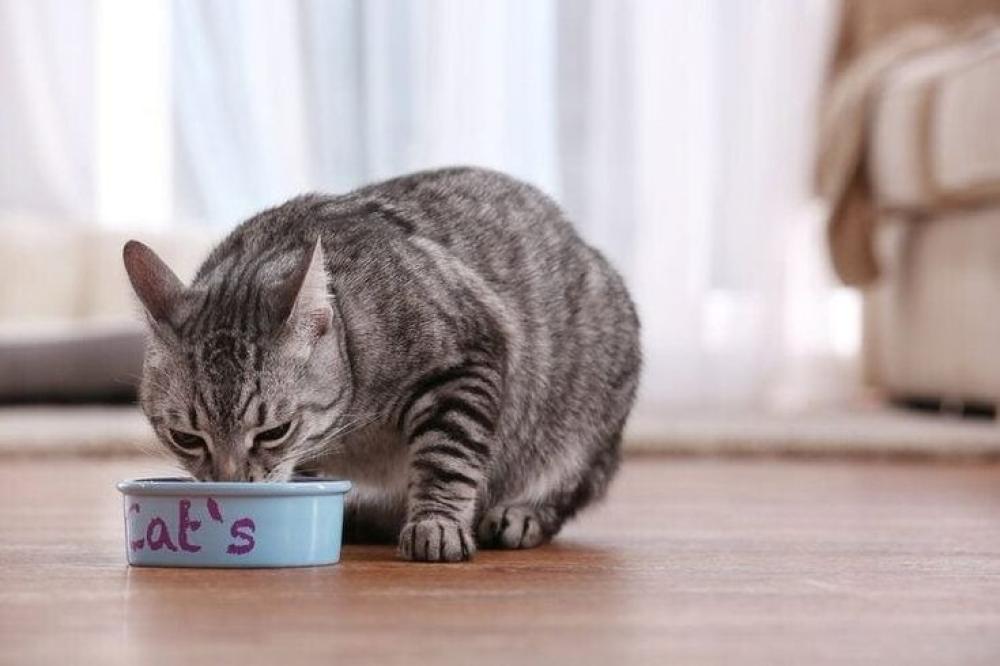
Proper cat nutrition is essential to their health and happiness. Whether you're a new or seasoned cat owner, understanding how to properly distribute and present meals can make a huge difference in your cat's life.
:Understanding Cats' Nutritional Needs
Cats are naturally carnivorous, which means their diet should be based primarily on animal protein, with moderate amounts of fat and minimal amounts of carbohydrates. Cats need more than 12 essential nutrients, including vitamins, minerals, fatty acids, and amino acids. It's important to maintain a balanced diet, as too much of certain nutrients (especially vitamins and minerals) can be harmful, as can a deficiency.
Feeding by Age
1. Kittens (from birth to 6 months)
· From birth to 4 weeks: Kittens rely entirely on their mother's milk or a special milk substitute. Feedings are given every 2 to 4 hours depending on age.
· From 4 to 8 weeks: Weaning stage, where solid food is gradually introduced alongside milk.
From 2 to 6 months: Kittens need 3-4 meals per day. Food can be offered freely (always available) or divided into portions.
Kitten Meal Schedule (2-6 months):
Time, Type of Meal, Approximate Quantity
Morning: Breakfast (dry or wet) 1/4 to 1/3 cup
Afternoon: Small meal (dry or wet) as recommended by the vet
Evening: Dinner (dry or wet) as recommended by the vet
Before Bed: Snack (if needed) Small amount
So we've dedicated this to you from the seventh bird:
Cindy Milk for Cats and Kittens 250ml
EgySense Silver Goat Milk Calcium Fortified for Dogs and Cats 245ml
Zoo Vital Powdered Milk for Cats Rich in Minerals, Vitamins and Oils 200g
Purina dry food for kittens with chicken
2. Adult Cats (6 months to 10 years)
Adult cats need two main meals per day (morning and evening). It is important not to leave food available throughout the day to avoid obesity. Meals can be divided into three smaller meals if this suits the owner's schedule.
So we've dedicated this to you from the seventh bird:
Purina Dry Food for Adult Cats with Sensitive Stomach and Skin with Salmon & Tuna 1.5kg
N&D Dry Food for Adult Cats with Chicken and Pomegranate 1.5kg
3. Senior Cats (over 10 years)
Older cats may need 2-3 meals per day, focusing on easily digestible foods appropriate for their health condition.
So we've dedicated this to you from the seventh bird:
Royal Canin Senior Aging Dry Food for Adult Cats 2kg
:Correct feeding methods
1. Divide meals
It is recommended to divide food into multiple meals rather than leaving it throughout the day for the following reasons:
· Improves digestion and reduces bloating.
· Helps control weight.
· Encourages cats to drink water between meals, which supports urinary tract health.
· Facilitates appetite monitoring and early detection of health problems.
2. Choosing the Type of Food
· Dry food: Suitable as part of the diet, but should not be relied upon entirely due to its low moisture content.
· Wet food: A good source of hydration, but may not provide sufficient abrasion for dental health.
· A combination of both: Ideal for meeting nutritional and hydration needs.
So we've dedicated this to you from the seventh bird:
Vitakraft Wet Cat Food with Chicken & Vegetables 85g
Purina Urinary Wet Cat Food for Urinary Tract Support Chicken Chunks in Gravy 85g
3. Serve food in an appropriate environment
· Serve food in a quiet, safe place away from noise and crowds.
· Ensure fresh, clean water is always available.
· In multi-cat households, serve food in separate bowls with visual dividers to reduce stress and competition.
So we've dedicated this to you from the seventh bird:
3L Water Fountain and Food Bowl Automatic Fountain and Stainless Steel Bowl
4. Use appropriate feeding equipment
· Appropriate bowls: Choose non-topple bowls made of safe materials (such as glass or stainless steel).
Slow-feeding bowls: Help prevent binge eating and improve digestion.
Automatic feeders: Helpful for maintaining a strict schedule, especially for busy people.
So we've dedicated this to you from the seventh bird:
Seven Bird Stainless Steel Food Bowl for Dogs and Cats
Smarta Food Dispenser with Wi-Fi and App Control 2.6L
:Additional tips for optimal feeding
1. Avoid cow's milk: Do not feed cow's milk to cats, as it may cause digestive upset.
So we've dedicated this to you from the seventh bird:
EgySense Goat Milk Powder for Puppies and Kittens 200g
2. Gradual food transition: When changing food types, gradually mix the old food with the new one over a period of 7-10 days.
3. Weight monitoring: Weigh your cat regularly and adjust the amount of food according to its needs.
4. Consult your veterinarian: Always consult your veterinarian to determine the appropriate diet for your cat, especially if it has health issues.
5. Avoid excessive treats: Treats should not constitute more than 10% of the total daily calorie intake.
:Common Mistakes in Cat Feeding
1. Leaving food available all day: This can lead to obesity and other health problems.
2. Providing an unbalanced diet: Relying solely on homemade food without ensuring a balanced diet.
3. Ignoring water needs: Not providing sufficient, clean water, especially for cats eating dry food.
4. Feeding in a stressful environment: Providing food in crowded or noisy areas.
Conclusion:
Establishing a regular feeding schedule for your cat and providing it with proper nutrition is one of the most important foundations of cat care. By understanding the nutritional needs of cats at different stages of their life and providing food in an appropriate environment, By adhering to a balanced diet, you can ensure your cat's healthy and happy life. Remember that every cat is unique and has its own needs, so don't hesitate to consult your veterinarian to develop a personalized nutritional plan for your furry friend.