
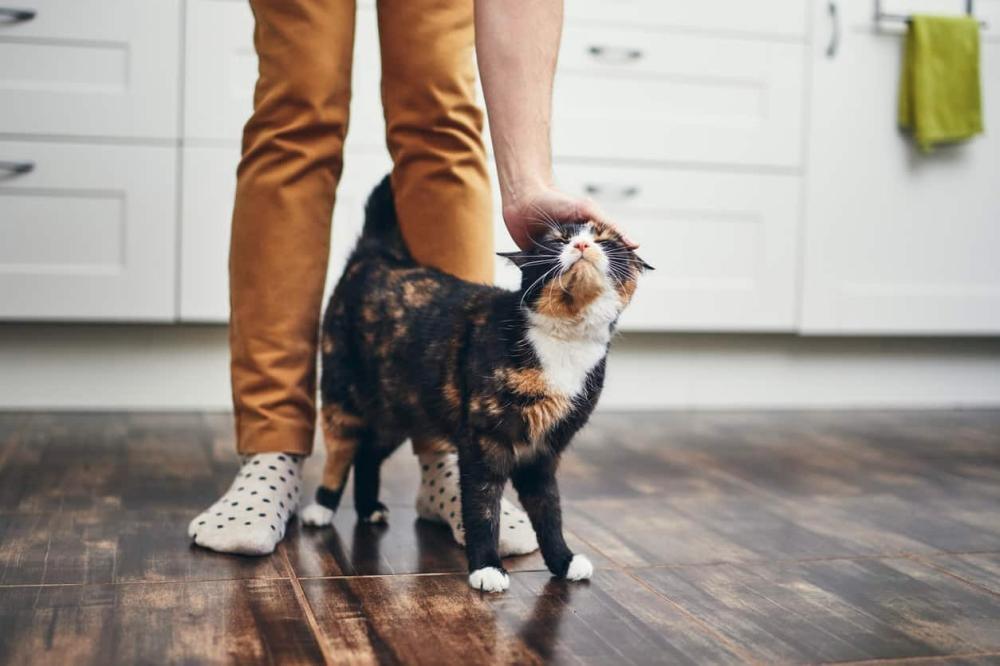
cat language
Cat language is not limited to body movements only, but also uses vocal expressions to attract attention. When you acquire a cat, you must understand how it uses its body and know the meaning of these movements, to avoid misunderstanding that could cause you physical harm from the cat. You can seek the help of a veterinarian to understand those signals and body movements, and you can also observe the body movements of cats and interpret them to know what it wants you to do with it.
Sound language of cats
As we mentioned, cats use their bodies and vocal tones to express feelings or ask for something from the people around them. The language of sound among cats is the only language they use to communicate with each other and sometimes they use it when they need to alert the people around them that they need something. There are various tones that cats can make depending on their mood and the purpose they want from you.
cats meow
A cat's meow expresses certain behaviors that the cat wants to do. The meow varies depending on its purpose, as will be explained below:
- Meowing with a tremor in the voice is evidence that the cat needs its owner to follow it somewhere.
- If the cat makes a purring sound, it indicates that it is happy and wants to play.
- There is another sound called the hiss of cats, which they make when they sense an enemy nearby.
- The sound of distress is called howling. When you hear this sound, you should hurry towards the cat as it needs help.
Body language of cats
Cats use their bodies to express their needs and feelings. You must understand these movements so that you can deal with your cat without being harmed by it. Cats use all parts of their bodies to express a feeling or a desire that you want them to do. The body language of cats tells us a lot, so trying to understand these movements and their meanings will make you spend enjoyable times with your cat.
The meaning of tail movements in cats
The meaning of tail movements in cats varies depending on their mood and the type of situation they are experiencing. Some of these movements will be explained below:
- If the tail is raised while the fur remains in its normal state, this indicates more than one feeling: either the cat is curious about what is happening around it and is watching what is happening around it with interest, or the cat is in a state of happiness.
- If the tail is raised and the fur stands on end, this is evidence of a state of anger that the cat is experiencing, so you should not approach it so as not to get hurt.
- If you see a cat with its tail lowered, this is evidence that it is insecure and feels tense and anxious.
- When you see a cat moving its tail from side to side, this physical expression indicates two states: either the cat is happy or it is angry.
Eye language of cats
Although cats have beautiful eyes, they use them to communicate with those around them. Through some of the following behaviors, you can understand the language of eyes with cats:
- If cats narrow their eyes, it usually indicates that they are feeling aggressive.
- But the opposite may happen; when a cat's pupils dilate, this is evidence of feelings of aggression and nervousness that may have taken hold of it.
ear language of cats
The ear is an important part of how cats express their feelings. Ear language in cats requires careful attention, as each movement has a different meaning. Some of these movements include:
- When a cat's ear is moved forward, it conveys three meanings: either it is interested in what is happening around it, it is happy, or it is taking precautions.
- If a cat moves its ear backward, it indicates that it is feeling fear or anger.
- If you see cats moving their ears in a circular motion, it indicates that they are receiving a sound from a distance and want to pay attention to it and identify its source.